
Get Wheelchair Ramp Installation in Bergen County, NJ
Wheelchair ramp installation services help Bergen County property owners improve accessibility by constructing safe, durable ramps for residential and commercial entrances, addressing mobility challenges.
Wheelchair ramp installation services provide property owners in Bergen County, NJ with practical solutions to improve accessibility and convenience around their homes and businesses. Installing a sturdy, well-designed ramp enhances safety by reducing the risk of trips and falls, especially for individuals with mobility challenges. Additionally, these ramps boost overall functionality, making it easier to navigate entrances with wheelchairs, walkers, or strollers, thereby increasing independence and ease of use.
Beyond safety and accessibility, professional ramp installation offers benefits such as increased durability and reduced maintenance over time. Quality materials and expert craftsmanship ensure the ramps withstand Bergen County’s weather conditions, maintaining their appearance and functionality for years. An attractive, well-integrated ramp can also enhance curb appeal, contributing to the property’s overall aesthetic and value.
- Residential Wheelchair Ramp Installation - needed when homeowners require accessible entryways for family members or visitors with mobility challenges.
- Commercial Wheelchair Ramp Installation - essential for businesses seeking to comply with accessibility standards for customers and employees.
- Apartment and Condo Ramp Services - useful for multi-family residences aiming to improve accessibility for residents with mobility needs.
- Public Facility Ramp Installation - necessary for government buildings and community centers to ensure barrier-free access for all visitors.
- Garage and Entryway Ramp Solutions - appropriate when modifying existing structures to accommodate wheelchairs or mobility devices.
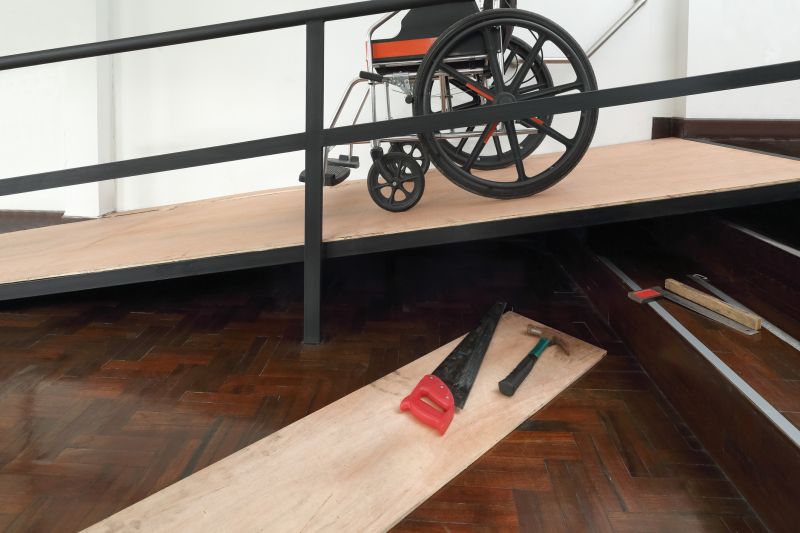
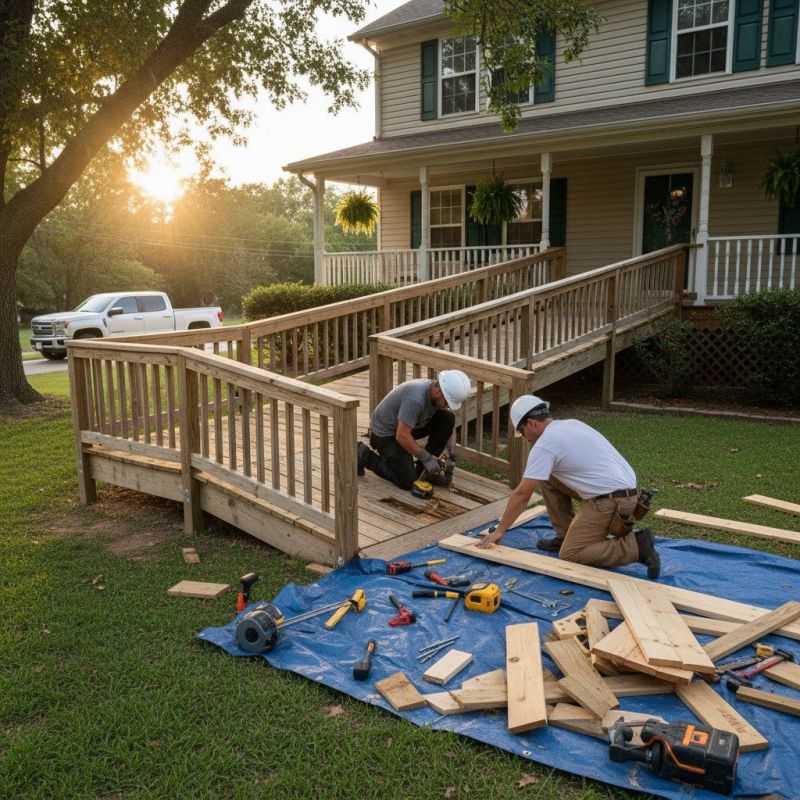
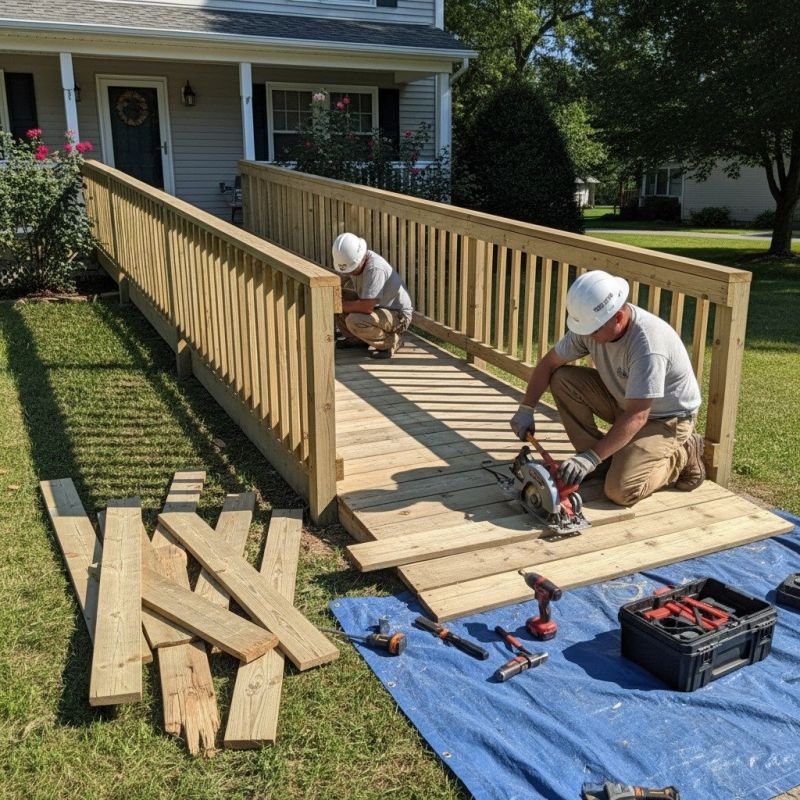
Wheelchair ramp installation services involve the design, construction, and setup of accessible ramps to facilitate easier movement for individuals with mobility challenges. These services typically include assessing the property’s layout, selecting appropriate ramp materials, and ensuring the structure complies with accessibility standards. Professionals focus on creating smooth, stable, and durable ramps that provide safe passage over steps, uneven surfaces, or thresholds, making daily activities more manageable for wheelchair users and others with mobility aids.
The primary purpose of wheelchair ramp installation is to address mobility barriers that can hinder access to homes, businesses, or public facilities. Ramps help eliminate the need to navigate stairs, which can be dangerous or impossible for some individuals. By providing an accessible pathway, these ramps promote independence, reduce the risk of falls, and enable easier entry and exit for those with limited mobility. Properly installed ramps can also help property owners meet accessibility requirements and improve overall safety.
Typical properties that utilize wheelchair ramp installation services include private residences, especially for seniors or individuals with disabilities, as well as commercial buildings, healthcare facilities, and community centers. Residential properties often require ramps at entrances or patios to enhance daily living. Commercial and public spaces may need ramps to comply with accessibility regulations, ensuring that all visitors and employees can access the premises comfortably and safely. The scope of installation can vary based on the property's specific needs and layout.
Professionals providing wheelchair ramp installation services can work with various property types, offering customized solutions tailored to each setting. They often source a range of ramp materials such as aluminum, wood, or concrete to match the property's aesthetic and functional requirements. Whether for a single-family home or a multi-story commercial building, these service providers aim to deliver safe, reliable, and accessible solutions that meet the needs of individuals with mobility challenges. Contacting local experts can help property owners find the right installation option for their specific circumstances.
The overview below groups typical Wheelchair Ramp Installation projects into broad ranges so you can see how smaller, mid-sized, and larger jobs often compare in Bergen County, NJ.
In many markets, a large share of routine jobs stays in the lower and middle ranges, while only a smaller percentage of projects moves into the highest bands when the work is more complex or site conditions are harder than average.
Material Costs - The cost of materials for wheelchair ramp installation typically ranges from $100 to $500, depending on the type and quality of materials chosen. For example, a basic wooden ramp may cost around $150, while a customized aluminum ramp could be closer to $400. Material costs vary based on size and durability requirements.
Labor Expenses - Labor costs for installing a wheelchair ramp generally fall between $200 and $800. Factors influencing this include the complexity of the project and local labor rates, with simple installations at the lower end and more complex or custom ramps at the higher end. Some projects may require additional structural work, increasing labor fees.
Project Size and Complexity - Larger or more intricate ramp installations can range from $1,000 to $3,000 or more. For example, a multi-level or custom-designed ramp may incur higher costs due to additional materials and labor. Smaller, standard ramps tend to be more affordable within the lower end of this range.
Additional Costs - Extra features such as handrails, landings, or surface modifications can add $100 to $500 to the overall cost. These enhancements improve safety and accessibility but may increase the project's total expense depending on the specifications. Local pros can provide estimates based on specific needs.
Actual totals will depend on details like access to the work area, the scope of the project, and the materials selected, so use these as general starting points rather than exact figures.
Residential Accessibility Projects - local service providers offer wheelchair ramp installation to improve accessibility for homes in Bergen County and surrounding areas.
Commercial Building Modifications - contractors can assist with installing ramps in commercial spaces to comply with accessibility standards and enhance customer access.
Public Facility Upgrades - service providers help upgrade public buildings by adding wheelchair ramps to ensure compliance and improve access for all visitors.
Custom Ramp Solutions - local pros design and install custom wheelchair ramps tailored to specific property layouts and user needs.
Outdoor Accessibility Improvements - professionals install durable ramps in outdoor settings to facilitate safe and convenient wheelchair access to gardens, patios, or entryways.
Senior and Disability Access Projects - specialists support installing ramps that assist seniors and individuals with disabilities in gaining easier entry to their homes and businesses.
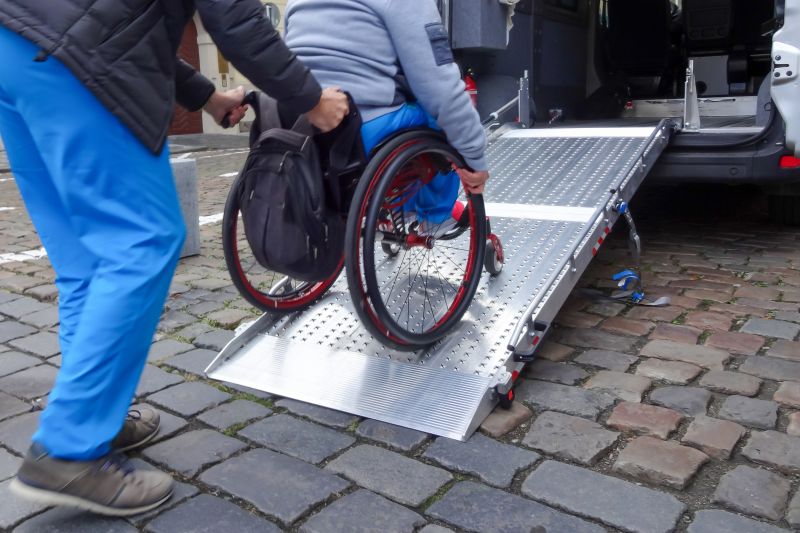
When selecting a professional for wheelchair ramp installation, it’s important to consider their experience with similar projects. Homeowners should look into how long a local contractor has been providing ramp services and whether they have successfully completed projects similar in scope and design. Reputable providers often have a portfolio of completed work or references that demonstrate their ability to deliver quality results. Ensuring the contractor has a solid track record can help set clear expectations for the project’s outcome.
Clear communication is key when working with local pros for wheelchair ramp installation. Homeowners should seek providers who are transparent about their process, available to answer questions, and capable of providing detailed written estimates or plans. Good communication helps establish mutual understanding of project scope, materials, and timelines, reducing the likelihood of misunderstandings or surprises along the way. A professional who maintains open dialogue can also be a valuable resource for guidance throughout the project.
Reputable references and reviews are valuable indicators of a contractor’s reliability and professionalism. Homeowners are encouraged to ask for references from past clients or seek reviews on trusted platforms to gauge the experiences of others. These insights can reveal how well a contractor adheres to agreed-upon expectations, communicates throughout the process, and delivers results that meet or exceed client needs. Since the information below introduces local options rather than performing the work, it’s recommended to contact multiple providers to compare their credentials, reputation, and approach before making a decision.
Property owners in Bergen County, NJ use Wheelchair Ramp Installation services for practical projects around their homes and businesses. The sections below highlight everyday jobs and straightforward project options.
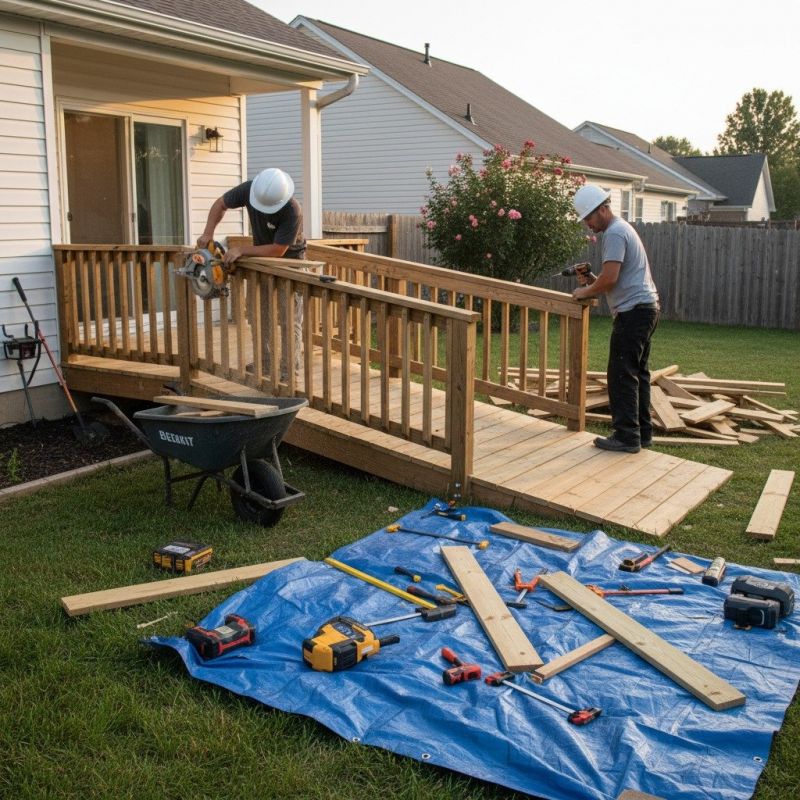
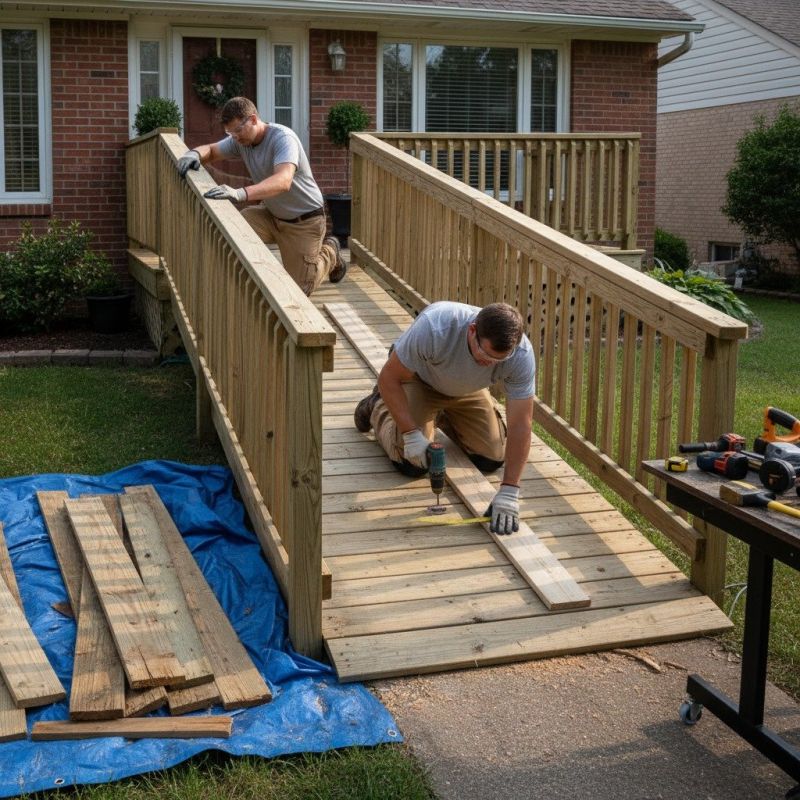
Wheelchair ramp installation services are commonly sought by property owners in Bergen County, NJ, who need to improve accessibility around their homes or businesses. Whether it's adding a ramp to facilitate easier entry for individuals with mobility challenges or replacing an existing ramp that no longer meets safety standards, local specialists can assist with a range of projects. These services are often needed for residential properties, especially for those with stairs or uneven entryways, as well as commercial spaces aiming to comply with accessibility requirements.
Property owners may also look for ramp installation when making modifications to accommodate aging family members or visitors with disabilities. Installing a sturdy, properly designed ramp can help create a more inclusive environment and eliminate barriers to entry. Local contractors in Bergen County are equipped to assess each property’s needs and provide solutions that enhance safety and convenience for residents and visitors alike.
What types of wheelchair ramps are available for installation? Local service providers typically offer various options such as portable, modular, and custom-built ramps to suit different needs and spaces.
How long does it usually take to install a wheelchair ramp? Installation times can vary depending on the type and complexity of the ramp, but most projects are completed within a few hours to a day.
Are there specific building codes or regulations for wheelchair ramp installation? While regulations can differ by location, local contractors are familiar with common standards and can ensure installations meet relevant guidelines.
Can a wheelchair ramp be installed on existing steps or uneven surfaces? Yes, many ramps can be adapted for existing structures or uneven terrain, with professional assessment and customization.
What factors influence the cost of wheelchair ramp installation? Costs are influenced by the ramp type, length, materials, and site conditions, with local pros providing tailored options based on these factors.
Wheelchair Ramp Design and Planning - Local service providers can assist in designing custom ramp solutions tailored to specific accessibility needs and property layouts.
Material Selection for Ramps - Pros can recommend suitable materials such as wood, metal, or composite options based on durability and aesthetic preferences.
Permitting and Compliance Guidance - Contractors can provide information on local regulations and assist with obtaining necessary permits for ramp installation.
Site Evaluation and Preparation - Service providers can assess the installation site to ensure proper slope, stability, and safety considerations are met.
Considering Wheelchair Ramp Installation for a property in Bergen County, NJ? The sections above highlight common project types, practical options, and details that often shape the scope of work.
When you are ready, use the quote form to share a few details about your project. Local pros can review the basics and respond with options that match what you have in mind.